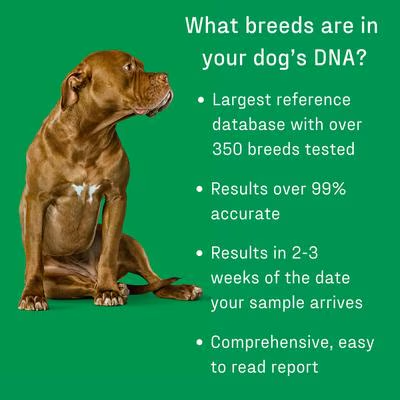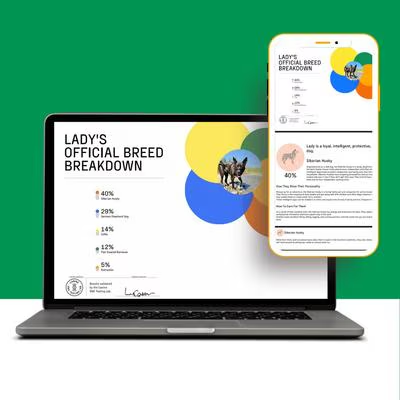











Discover your dog’s DNA story.
Best Dog DNA Tests of 2026
9.7
Great
Embark Breed & Health
- Tests for 400+ dog breeds
- Tests for 270+ conditions
- Results in about 2 weeks
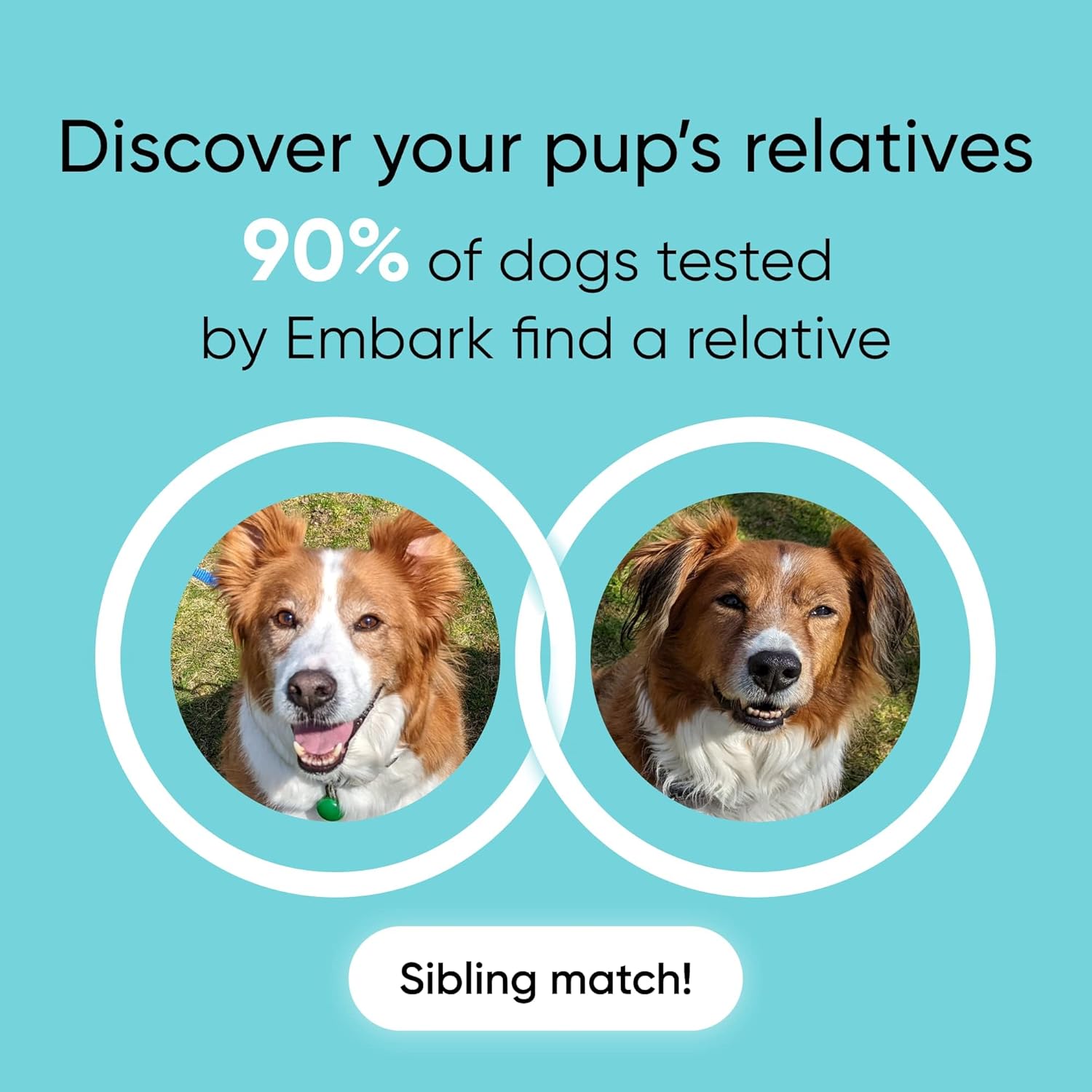
- Connect with your dog's relatives
More Details
What We Like
- Embark tests for over 270 genetic markers and 400+ different dog breeds, including dingoes, coyotes, and wolves, making it one of the most advanced dog DNA test kits on the market. You can even trace your pup's geographical ancestry and meet their relatives!
What To Consider
- While most results do come back within a couple of weeks, it can take a bit longer during peak seasons. They'll keep you updated along the way though.
9.5
Good
Wisdom Panel Essential
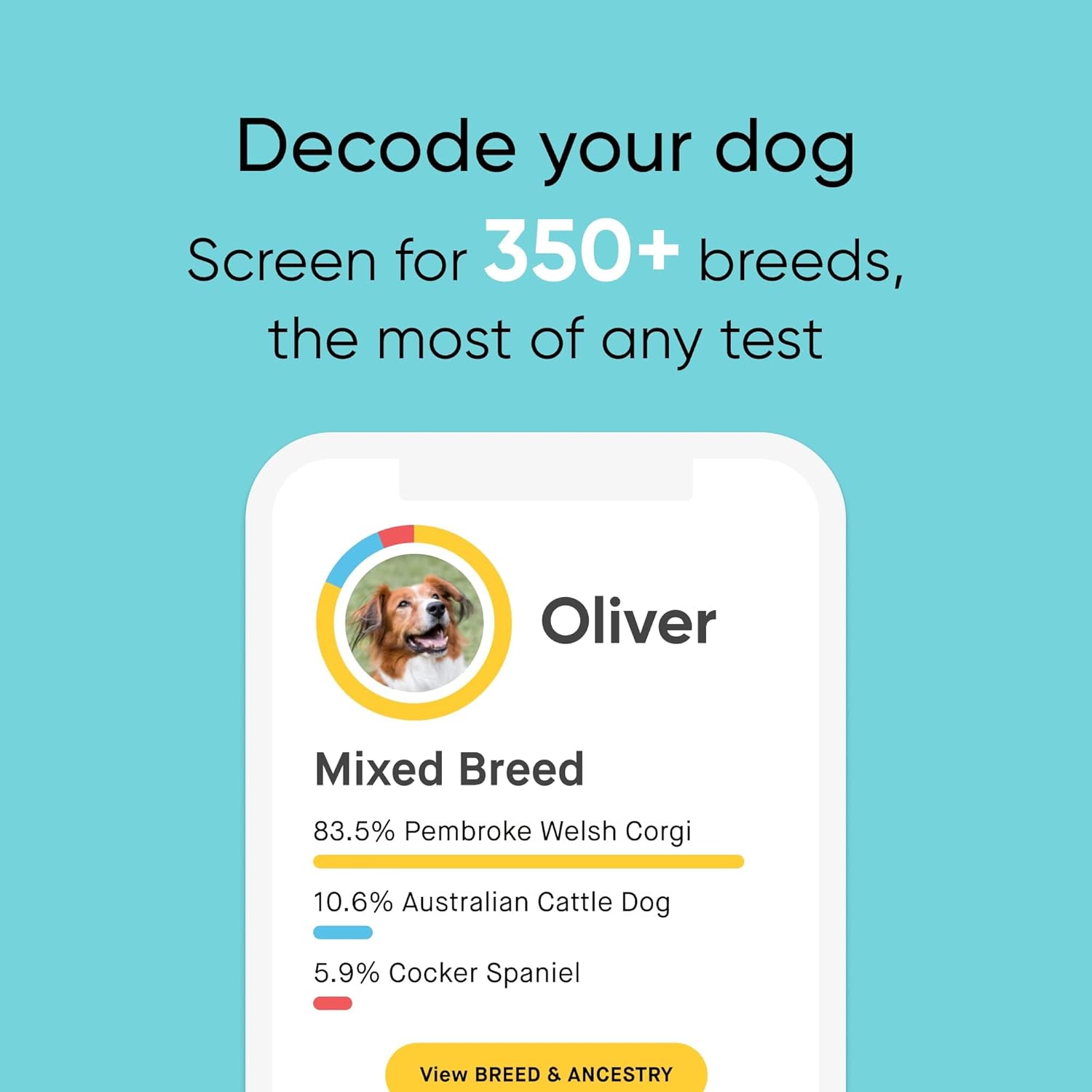
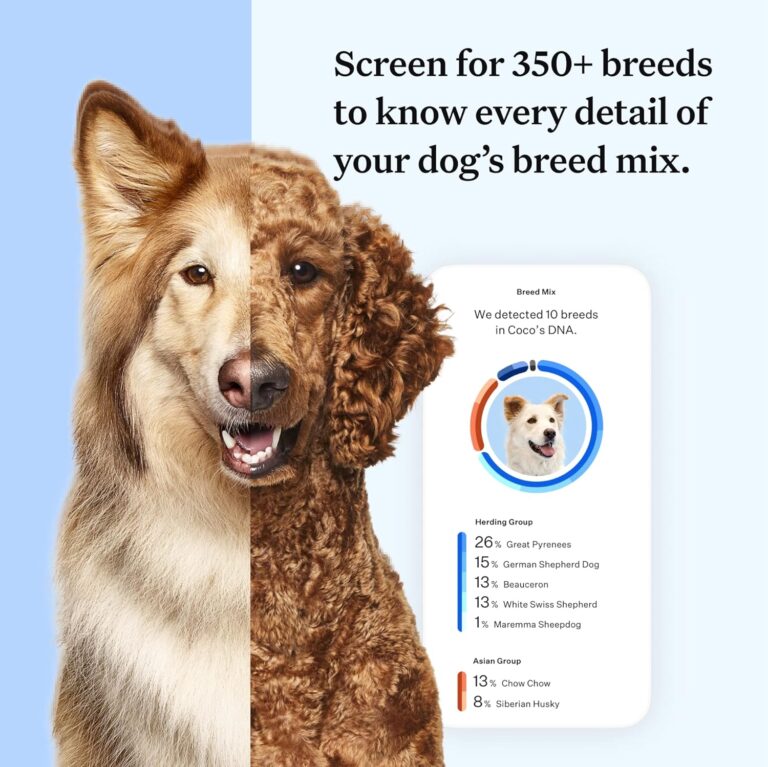
- Screens for over 365 breeds
- Tests for 25+ health issues
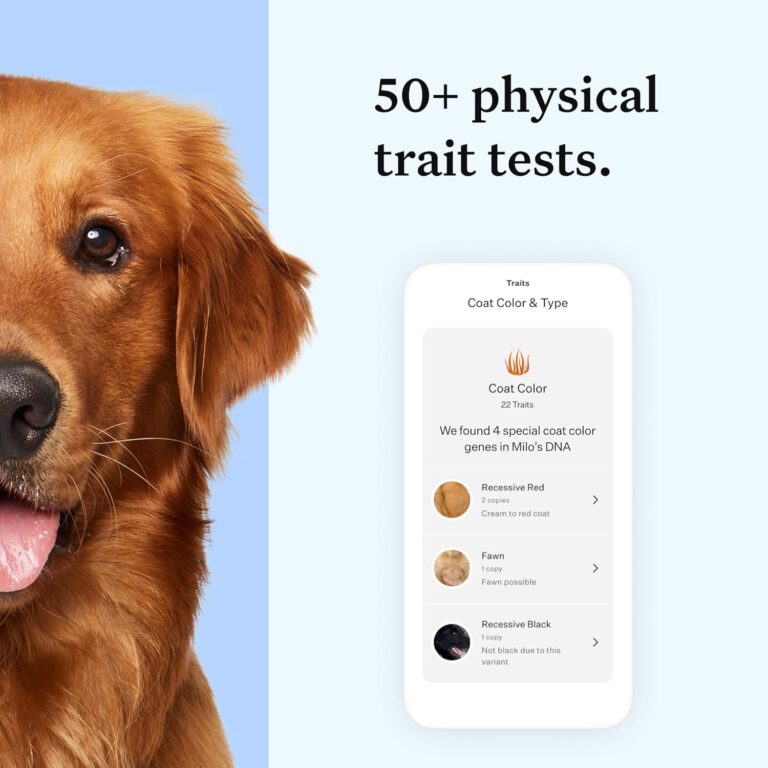
- Over 50 traits tests
- Test for 2 behavioral predispositions
More Details
What We Like
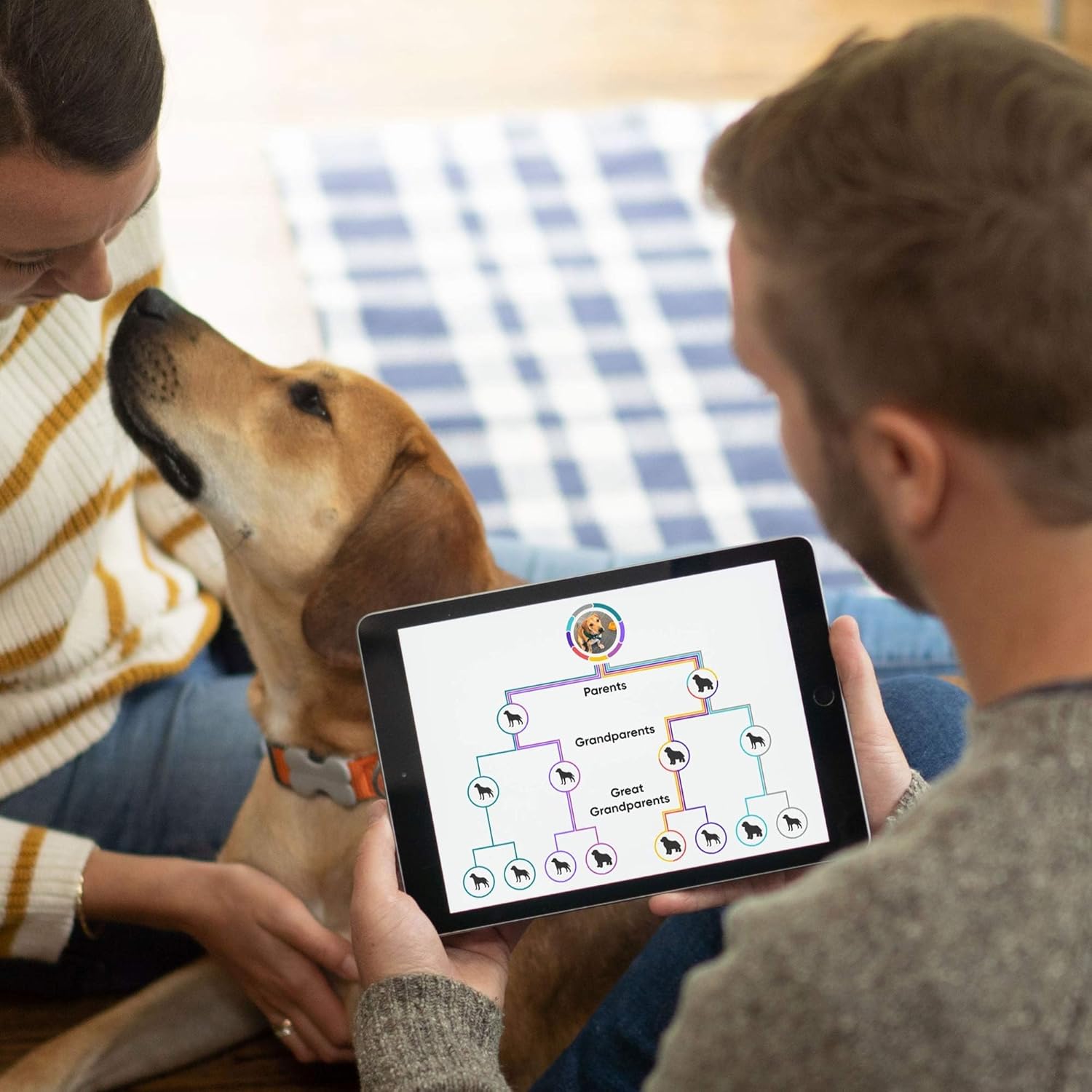
- Wisdom Panel has one of the largest breed databases and reports down to 1%, so you can get a thorough overview of every breed that makes up your dog. You can even trace ancestry back to their great-grandparents.
What To Consider
- It's not quite as robust as Embark when it comes to testing for genetic health issues.
9.3
Great
Basepaws Breed + Health
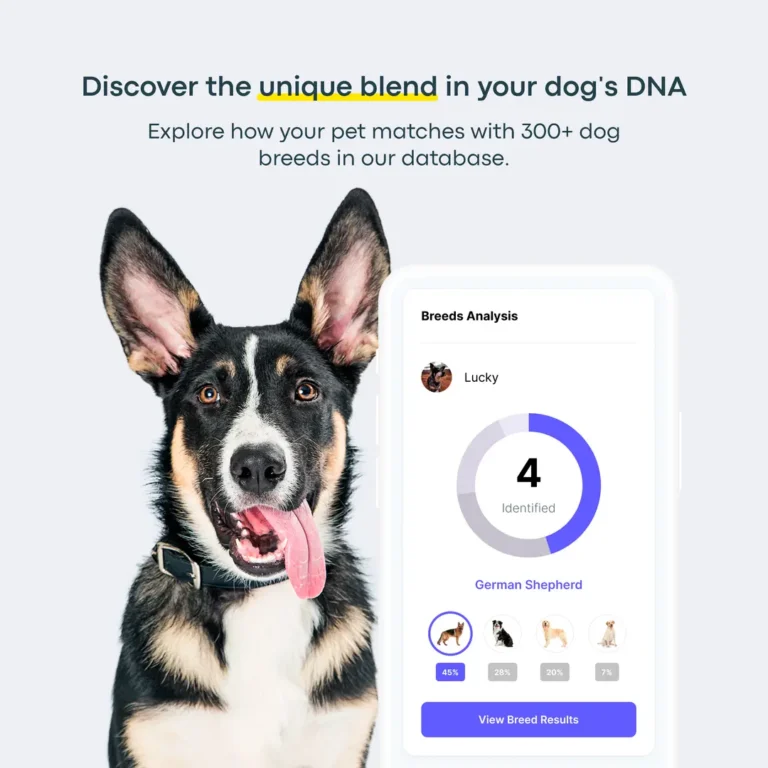
- 330+ breed database
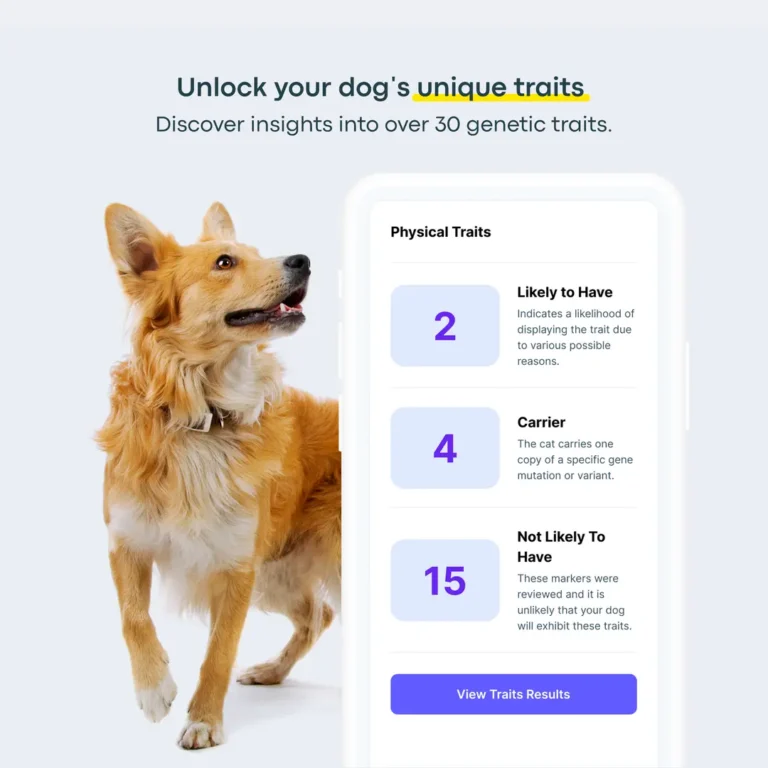
- 30+ genetic trait markers
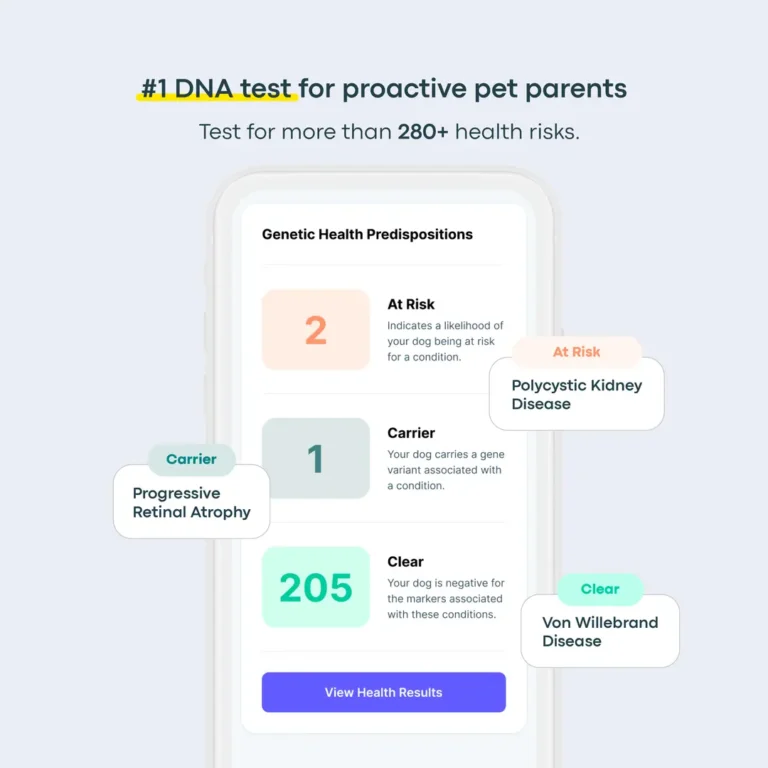
- Screens for 280+ health risks
- Uses Next-Generation Sequencing
More Details
What We Like
- Basepaws prides themselves on being one of the most detailed dog DNA tests in terms of health conditions and traits. Their reports are also beautifully designed and easy to read.
What To Consider
- The turnaround time is the longest of all the dog DNA tests. Results take 4-6 weeks to get back, and sometimes even longer.
8.7
Great
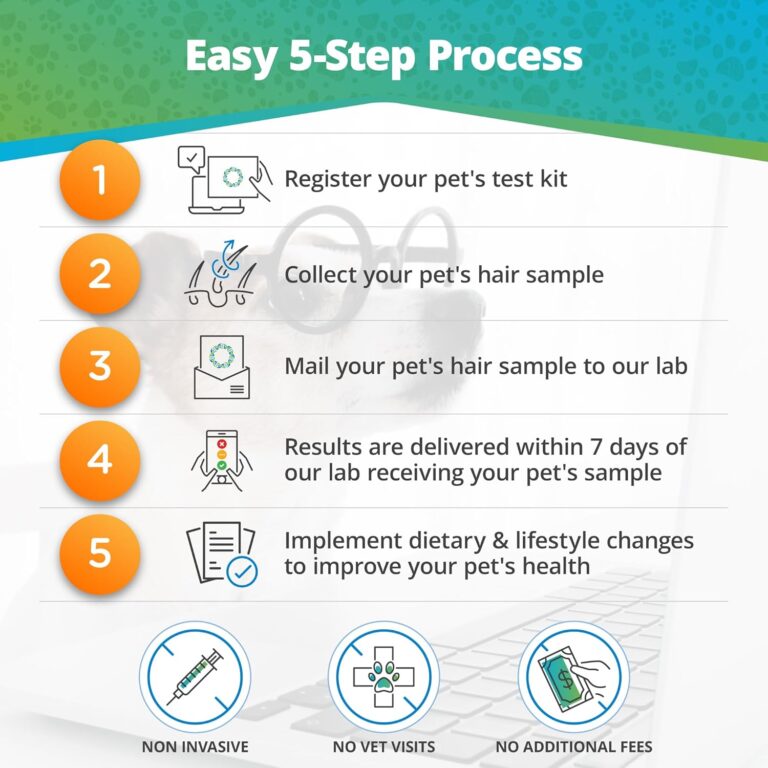
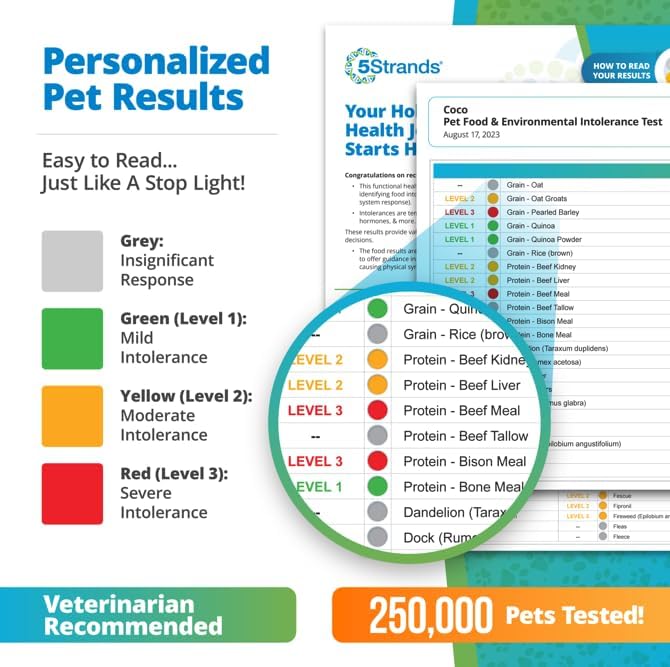
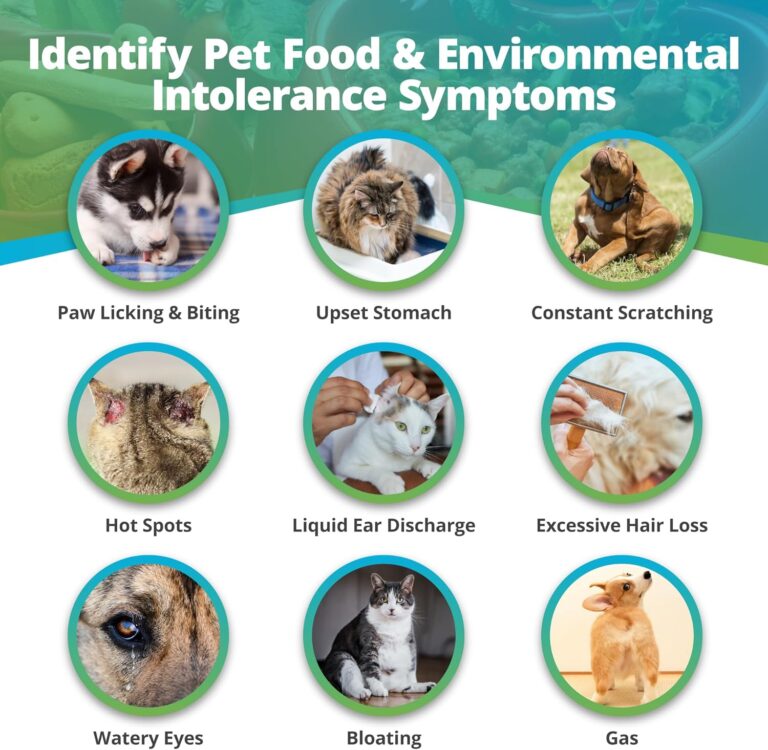
5Strands Food & Environmental Intolerance
- Uses your pet’s hair
- Covers over 250 food intolerances
- Covers over 100 environmental intolerances
- Two comprehensive allergen tests
More Details
What We Like
- While it's not a true dog breed DNA test, it's an invaluable resource for discovering detailed information about your pup's food and environmental intolerances.
What To Consider
- Some customers felt the results were confusing and contradictory. Also, please remember that this does not test for potentially life-threatening allergies, but rather intolerances that can cause your dog discomfort.
8.0
Good
DNA My Dog
- Tests for over 350 breeds
- Budget-friendly
- Fast results
- Easy to use
More Details
What We Like
- If you just want a quick and affordable overview of your dog, DNA My Dog covers gives you a clear breakdown, plus basic personality traits and health insights that actually help you understand your dog a bit better.
What To Consider
- It’s more of a general overview than a deep dive, especially compared to some of the more advanced health-focused tests.
Tip
The best dog DNA tests go beyond curiosity—they give you real insight into your dog’s breed mix, potential health risks, and even behavior traits, so you can make smarter choices for their care.
How We Score
Brand Reliability
We look at how long the brand has been around, how they continue to innovate and update their DNA technology, and their overall reputation and trust factor among customers.
Real-World Testing
We use these products to test out functionality, accuracy, and user-friendliness in real-world situations to ensure that they perform exactly as promised.
Product Diversity
We look at how diverse the product is in terms of the results. Does it screen for common health issues? How about less-common issues? How large is the breed database? How accurate are the results for mixed-breed dogs?
Our Top 3 Picks
GUIDE TO
DNA KITS
for dogs

ABOUT DOG DNA TESTS
What's Actually Inside Your Dog?
Most dog owners have a guess. A few have a story — “we were told she’s a Lab mix” or “the rescue said shepherd.” But guesses aren’t answers, and for a lot of owners, the curiosity goes deeper than breed trivia.
A dog DNA kit gives you a scientifically validated breakdown of your dog’s breed ancestry — sometimes going back three generations. The better kits also screen for dozens of genetic health conditions, trait markers, and even medication sensitivities that can affect how your vet approaches care.
That’s the part that surprises most people. This isn’t just about satisfying curiosity. It’s about knowing whether your dog carries a gene that increases their risk of heart disease, joint problems, or a drug reaction before those things become emergencies.
The process is simple — a cheek swab, a return envelope, and results in a few weeks. What you do with those results can meaningfully change how you care for your dog.
Process
How Does a Dog DNA Kit Work?
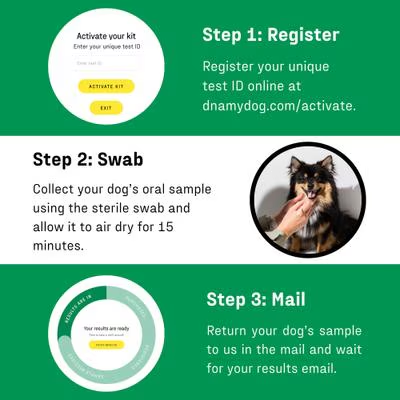
Swab at home
Use the provided cheek swab to collect a saliva sample from inside your dog’s cheek. Takes about 30 seconds. No needles, no vet visit required.
Mail it In
Drop the sample in the prepaid return envelope and send it to the lab. Most kits include everything you need in the box.
Lab Analysis
Your dog’s DNA is analyzed against a reference database of breeds and genetic markers. The larger the database, the more accurate and detailed your results.
Get your results
Results are delivered digitally, usually within 2 to 8 weeks. Most come with a shareable report and a breakdown you can bring to your vet.
HOW TO CHOOSE
Choosing the Right Dog DNA Kit
The kits on store shelves aren’t all built the same. Here’s what separates the ones worth buying.
01
Breed Database Size
More Breeds Means Better Accuracy
The accuracy of your results depends directly on how many breeds the company has in their reference database. Top providers screen against hundreds of breeds worldwide. A smaller database means more of your dog’s ancestry gets filed under vague categories like “mixed breed.” Look for kits that publish their database size — and update it regularly.
02
Health Screening Depth
Beyond Breed — What the Better Kits Add
Some kits stop at ancestry. The better ones screen for genetic health conditions — MDR1 drug sensitivity, degenerative myelopathy, cardiac conditions, and more — which can genuinely affect your dog’s care. If health screening matters to you, confirm exactly how many conditions are tested before you buy. The number varies widely across providers.
03
Veterinary Integration
Results That Are Actually Useful at the Clinic
A good DNA report is one your vet can act on. Look for kits that produce clear, structured health reports — not just ancestry pie charts — and that are designed with veterinary review in mind. Some providers also offer vet consultation add-ons or have clinical teams available to help interpret results.
04
Relative Matching
A Feature Worth Knowing About
Several top DNA services include a relative-matching database — meaning your dog’s results may identify biological relatives who’ve also been tested. For rescue dogs or those with unknown histories, this can add meaningful context. It’s not essential, but it’s a meaningful differentiator if your dog’s background is a complete mystery.
BENEFITS & CONCERNS
Pros & Cons of Dog DNA Testing
PROS

Super Simple Home Test
Easy at-home collection. No vet visit required

Breed & Ancestry Details
Combines breed ancestry and health data in one test

Helps Plan Preventative Care
Can surface genetic risks before symptoms appear

Helps Inform Vet
Shareable with your vet for informed care decisions

One-Time Cost
One-time cost — no subscription required for most kits
CONS

Takes Time
Results take 2–8 weeks depending on the provider

Health Results Vary
Health screening depth varies significantly across kits

Not a Guarantee
Results are probabilities, not guarantees.

Breed Accuracy Varies
Database accuracy depends number of breeds tested against.

Relative Features Vary
Relative matching requires other dogs in the same database

FREQUENTLY ASKED QUESTIONS
FAQs About Dog DNA Kits
How accurate are dog DNA tests?
Accuracy depends on the size and quality of the breed reference database. Leading providers test against hundreds of breeds and continuously update their databases as more dogs are added. Ancestry results are generally reliable for dominant breeds — mixed backgrounds with less common breeds may be less precise.
Does my dog need to see a vet to get a DNA test?
No. The sample is collected at home with a simple cheek swab. However, if your results flag potential health risks, following up with your vet is strongly recommended — especially for serious conditions like cardiac disease or drug sensitivities.
What health conditions can a dog DNA test detect?
This varies by provider. The better kits screen for 150–250+ genetic health conditions, including MDR1 drug sensitivity, degenerative myelopathy, progressive retinal atrophy, and certain cardiac and bleeding disorders. Always check the specific conditions list before purchasing.
How long does it take to get results?
Most providers deliver results within 2 to 8 weeks of receiving your sample. Some offer expedited processing for an additional fee.
Can DNA testing tell me how big my puppy will get?
Some kits include size and weight prediction based on breed composition and trait markers. This is most useful for puppies of unknown background — accuracy improves once the dog is older and more genetic data is available.
Is dog DNA testing worth it for a rescue dog?
Often yes — and sometimes especially so. Rescue dogs frequently come with incomplete or inaccurate breed histories. A DNA test can clarify behavioral tendencies, flag health risks that weren’t on anyone’s radar, and give you a much clearer picture of what your dog actually needs.
Do I need to test more than once?
No. Your dog’s DNA doesn’t change, so one test is enough for breed and health results. If a provider significantly expands their database after your test, some offer free result updates.
ARTICLES
Latest Blog Posts
By: Nicole Etolen
DATE: April 2, 2026
By: Nicole Etolen
DATE: March 16, 2026